
Understanding the House Edge
One of the most prevalent myths about casinos is that players can overcome the house edge with skill or strategy. Many gamblers believe that by mastering certain techniques, they can tilt the odds in their favor, such as those found at 1win , where various strategies may be employed. However, the reality is that the house always holds an advantage in the long run, regardless of the game. For example, in games like blackjack or poker, while skill does play an important role, the casino’s built-in advantage ensures that the house profits over time. This is largely due to mathematical probabilities that favor the casino, making it crucial for players to understand these dynamics.
This misconception can lead players to spend more time and money trying to beat the system rather than enjoying their gaming experience responsibly. They may invest in systems and strategies that promise success, only to find out that they are still subject to the same rules of probability. As a result, they could end up losing significant amounts of money in pursuit of an unattainable goal. Comprehending the house edge can also dissuade players from betting more than they can afford, thereby promoting a more responsible approach to gambling.
Moreover, understanding the house edge can help players make more informed choices. By familiarizing themselves with the statistical probabilities of each game, gamblers can select games that offer better odds, such as blackjack or certain types of video poker. This knowledge helps mitigate losses and allows for a more enjoyable gambling experience without falling prey to unrealistic expectations. By choosing games wisely and understanding the inherent risks, players can enhance their overall enjoyment rather than merely focusing on winning.
The Myth of “Hot” and “Cold” Machines
Another common myth in casinos is that slot machines go through phases of being “hot” or “cold.” Many players believe that if a machine pays out a jackpot, it is less likely to do so again in the near future or that a machine that hasn’t paid out in a while is due for a win. This idea, often referred to as the “gambler’s fallacy,” is misleading and can lead to poor betting decisions. The notion that past outcomes affect future results is a cognitive bias that can have serious financial implications.
Slot machines operate on random number generators (RNGs), which means every spin is independent and not influenced by previous outcomes. As a result, the idea of waiting for a “due” machine is flawed, leading players to continue feeding money into machines under the false hope that a big win is just around the corner. Such beliefs can quickly deplete a player’s bankroll, undermining their overall gambling experience. Recognizing that each spin is completely random can help players set realistic expectations and avoid chasing losses.
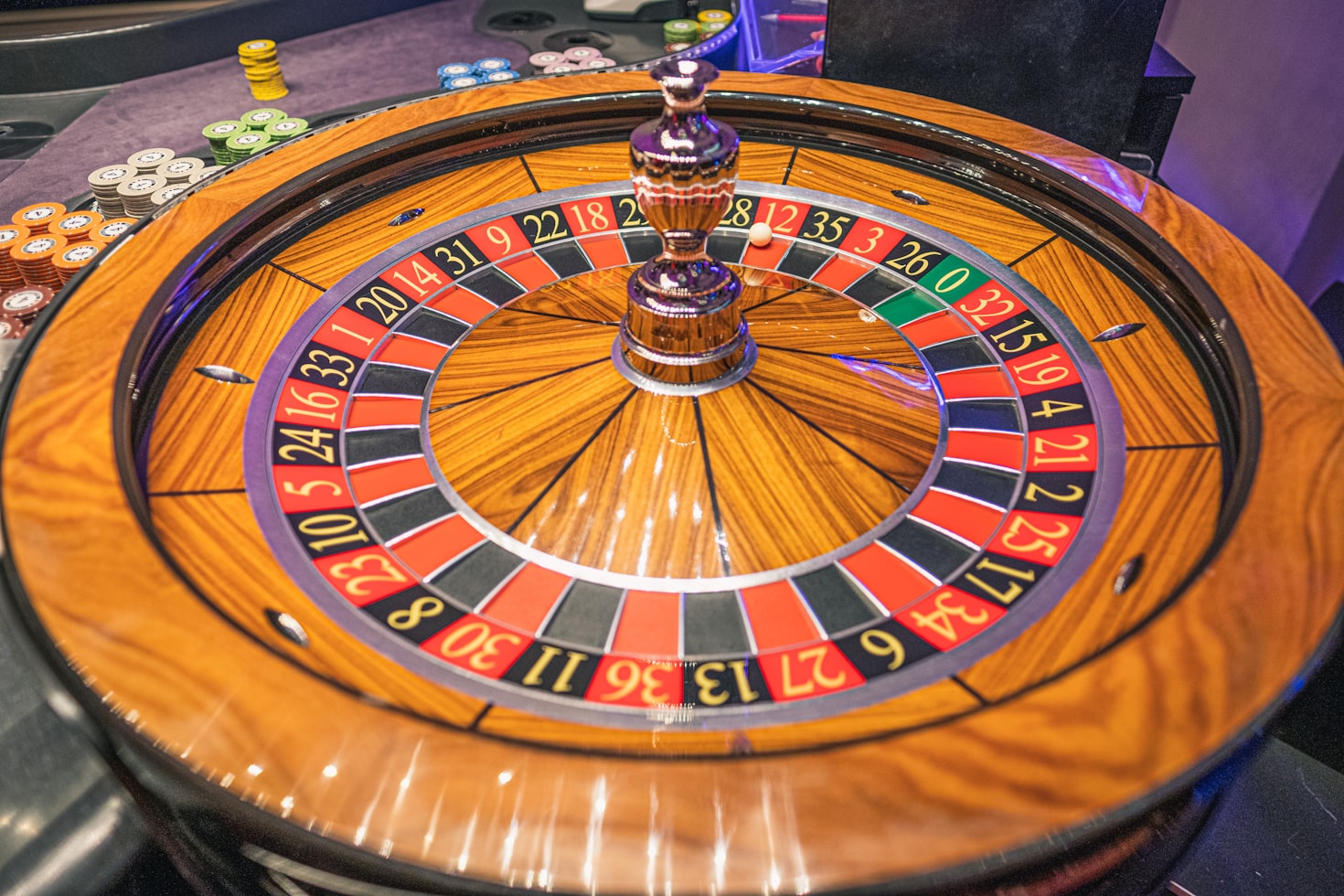
To combat this myth, players should approach slot machines with a clear understanding that each spin is based purely on chance. Instead of chasing losses based on perceived patterns, it is wiser to set a budget and stick to it, regardless of the machine’s previous payouts. Understanding that luck is random can help foster a healthier mindset and ultimately enhance the gaming experience. This realization encourages players to enjoy the game for its entertainment value rather than as a means to achieve financial gain.
Believing in Biases and Superstitions
Many casino-goers hold beliefs related to luck, superstitions, or rituals that they think could influence their success. For instance, some players might wear “lucky” clothing, avoid certain numbers, or perform specific actions before playing a game. While these practices can be part of the fun, they can also lead to misguided confidence that can affect financial outcomes. Such beliefs can create irrational decision-making, causing players to wager more than they typically would, often in an attempt to chase a perceived lucky streak.
This reliance on superstitions is particularly concerning because it shifts the focus away from the actual mechanics of the games. Players may find themselves more invested in their rituals than in understanding game strategies, odds, and responsible gambling practices. This diversion can lead them to make riskier bets based on feelings rather than calculated decisions, which can result in substantial losses over time. It’s essential for players to recognize that luck is unpredictable and that strategies grounded in rational thought are more beneficial.
To avoid falling victim to these myths, players should prioritize informed decisions based on the facts of the game instead of relying on luck or superstition. A rational approach to gambling, such as knowing when to walk away and setting limits, can lead to a more enjoyable experience, minimizing potential financial harm while maximizing fun. This approach empowers players to engage with games in a way that is both enjoyable and financially responsible, ensuring that their time at the casino remains entertaining without the burden of ungrounded beliefs.
Assuming Loyalty Programs Ensure Profits
Many casinos offer loyalty programs that reward players for their gaming activity, leading some to believe that participation guarantees profitability. While these rewards can provide benefits such as free meals, rooms, or bonuses, they can also encourage excessive gambling. Players might feel pressured to spend more to receive rewards, leading to higher losses in pursuit of these perceived benefits. The allure of earning points can create a skewed perception of value, where players believe they are gaining something of worth when, in fact, they may be compounding their losses.

This myth can be particularly dangerous since the allure of rewards may blind players to the reality of their spending habits. For instance, a player might think that earning points on a loyalty card justifies their losses at the table. However, the financial consequences of chasing rewards can culminate in a situation where players find themselves deep in debt or with significant losses, all while believing they are simply getting “free” perks. It is important for players to view these rewards from a realistic perspective and not as a justification for increased spending.
To truly benefit from loyalty programs, players should remain mindful of their spending and approach gambling as a form of entertainment rather than a means to earn rewards. By focusing on the gaming experience itself and using any rewards as a bonus rather than a motive, players can enjoy the perks without succumbing to the temptations that can lead to substantial financial losses. Maintaining a balanced view of loyalty programs can help players enjoy their time at the casino without falling into the trap of misguided expectations.
Exploring Responsible Gaming Resources
Finding a reliable source of information about responsible gaming can greatly benefit players looking to enhance their casino experience. Various websites and organizations provide resources that help individuals understand gambling addiction, risk factors, and strategies for maintaining a healthy relationship with gambling. These resources are incredibly valuable for both casual players and those who may be struggling with their gaming habits. By accessing these tools, players can better understand their behaviors and the risks associated with gambling.
Furthermore, many casinos themselves have incorporated responsible gaming measures, including self-exclusion programs, gambling limits, and access to resources for problem gambling. By educating oneself through these tools, players can recognize the signs of problematic gambling and take the necessary steps if they find themselves in trouble. This proactive approach can foster a more enjoyable and sustainable gaming environment, allowing players to engage in gambling without the risk of it becoming a negative experience.
Ultimately, the importance of acknowledging and utilizing responsible gaming resources cannot be overstated. By educating oneself and being aware of the risks associated with gambling, players can enjoy casinos without falling victim to myths that can lead to financial hardship. Understanding that gambling should be a leisure activity and not a source of income can profoundly impact one’s experience and well-being in the long run. Empowering oneself with knowledge and support can lead to healthier gaming habits and a more enjoyable gambling experience.
