
T20 cricket has changed from a simple format into a money-making machine. Franchises now sign billion-dollar broadcast deals. Players earn millions for a few weeks of work. Fans from every continent tune in to watch the action.
The Indian Premier League sits at the top of this pyramid. Its brand value stands at $9.6 billion, leaving all competitors far behind. But other leagues are catching up fast. New tournaments in the UAE, South Africa, and the USA are increasing in value each year.
This article breaks down the ten richest cricket leagues on the planet. We look at their revenue streams, broadcast deals, and what makes each one successful.
Top 10 Richest Cricket Leagues In 2026
Here is a quick look at the world’s most valuable T20 cricket leagues:
| Rank | League | Country | Year Started | Estimated Value |
|---|---|---|---|---|
| 1 | Indian Premier League (IPL) | India | 2008 | $9.6 Billion |
| 2 | International League T20 (ILT20) | UAE | 2023 | $15 Million |
| 3 | SA20 | South Africa | 2023 | $12.5 Million |
| 4 | Big Bash League (BBL) | Australia | 2011 | $10 Million |
| 5 | The Hundred | England | 2021 | $9 Million |
| 6 | Major League Cricket (MLC) | USA | 2023 | $6.9 Million |
| 7 | Pakistan Super League (PSL) | Pakistan | 2016 | $5.7 Million |
| 8 | Bangladesh Premier League (BPL) | Bangladesh | 2012 | $4.8 Million |
| 9 | Caribbean Premier League (CPL) | Caribbean | 2013 | $4.6 Million |
| 10 | Lanka Premier League (LPL) | Sri Lanka | 2020 | $3.1 Million |
Now, let us explore what makes each league tick.
1. Indian Premier League (IPL)
Launch Year: 2008
Run By: Board of Control for Cricket in India (BCCI)
The IPL changed cricket forever. Lalit Modi and the BCCI created a league that blends sport, entertainment, and business into one package. Almost two decades later, it remains the gold standard for franchise cricket.
What makes the IPL so rich?
The numbers tell the story. In 2022, the league sold its media rights for $6.2 billion. That deal covers the 2023 to 2027 seasons. No other cricket tournament comes close to this figure.
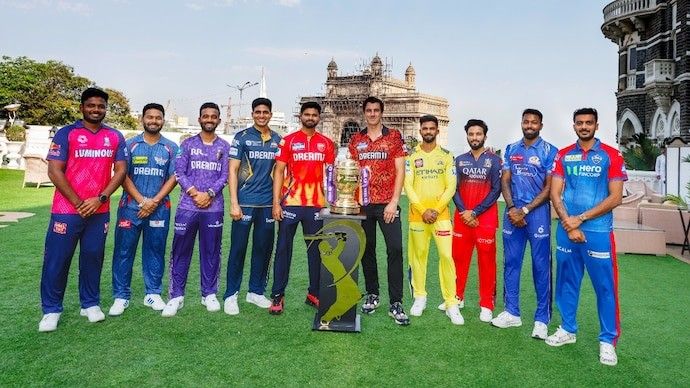
Team values have also skyrocketed. Franchises that cost $100 million in 2008 now hold valuations in the hundreds of millions. Owners include some of the wealthiest business families in India and abroad.
Star players earn between $1 million and $2.5 million for six weeks of cricket. The auction system creates drama and headlines, which drives even more interest in the league.
Why the dip in brand value?
The IPL’s brand value dropped from higher estimates to $9.6 billion in 2025. Market corrections and economic factors played a role. But even with this decline, the gap between the IPL and every other league remains massive.
2. International League T20 (ILT20)
Launch Year: 2023
Run By: Emirates Cricket Board
The UAE wanted a piece of the T20 pie. The ILT20 delivers exactly that. Backed by deep pockets and world-class stadiums, this league has grown fast since its debut.
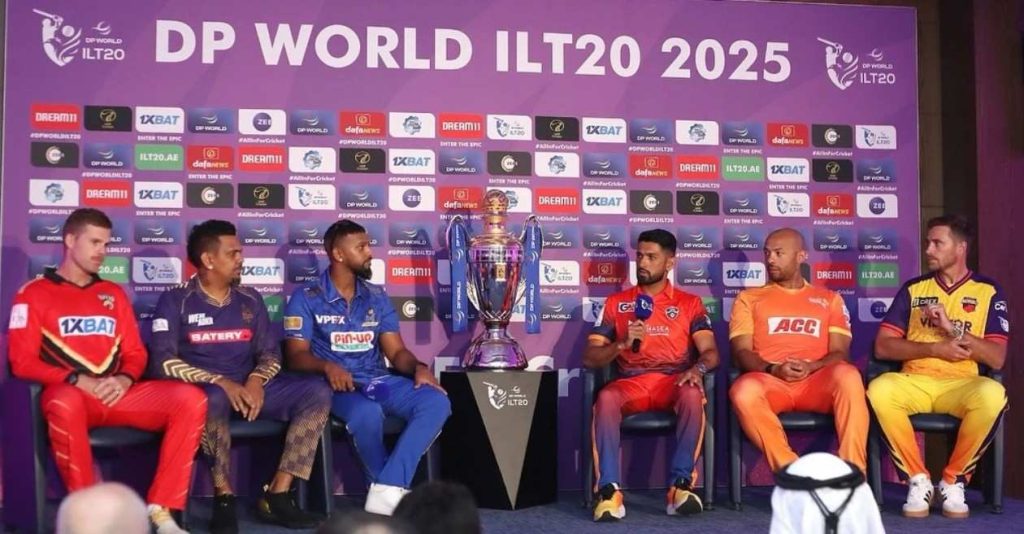
Dubai, Abu Dhabi, and Sharjah provide the venues. These cities already host international cricket and know how to run big events. The infrastructure was ready from day one.
Commercial muscle
Corporate sponsors love the UAE market. Tax benefits and a central time zone make it attractive for brands looking to reach fans in Asia, Europe, and Africa. Franchise owners have committed to long-term investments.
The broadcast reach extends to key cricket nations. Fans in India, Pakistan, and other South Asian countries can watch every match. This visibility helps the league grow its profile each season.
3. SA20
Launch Year: 2023
Run By: Cricket South Africa
South African cricket needed a boost. The SA20 provided it. This league brought together IPL owners and local talent to create something fresh.
Fast growth
Stadium attendance jumped in the first season. TV ratings followed. SuperSport handles the domestic broadcast, while international partners carry matches to fans worldwide.
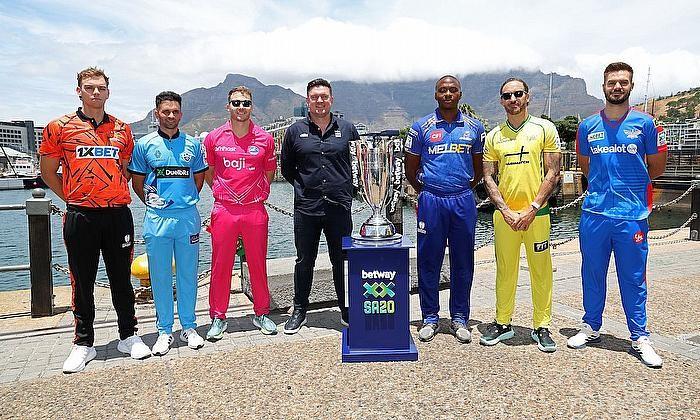
The connection to IPL franchises helps in two ways. First, it brings investment and business expertise. Second, it creates a talent pipeline between the two leagues. Players get noticed in SA20 and earn IPL contracts.
Cricket South Africa sees this league as central to the sport’s future in the country. Revenue from sponsorships and broadcast deals funds development programs across all levels.
4. Big Bash League (BBL)
Launch Year: 2011
Run By: Cricket Australia
Australia built its T20 league to fill the summer calendar. The BBL runs from December to February when cricket fever hits its peak down under.
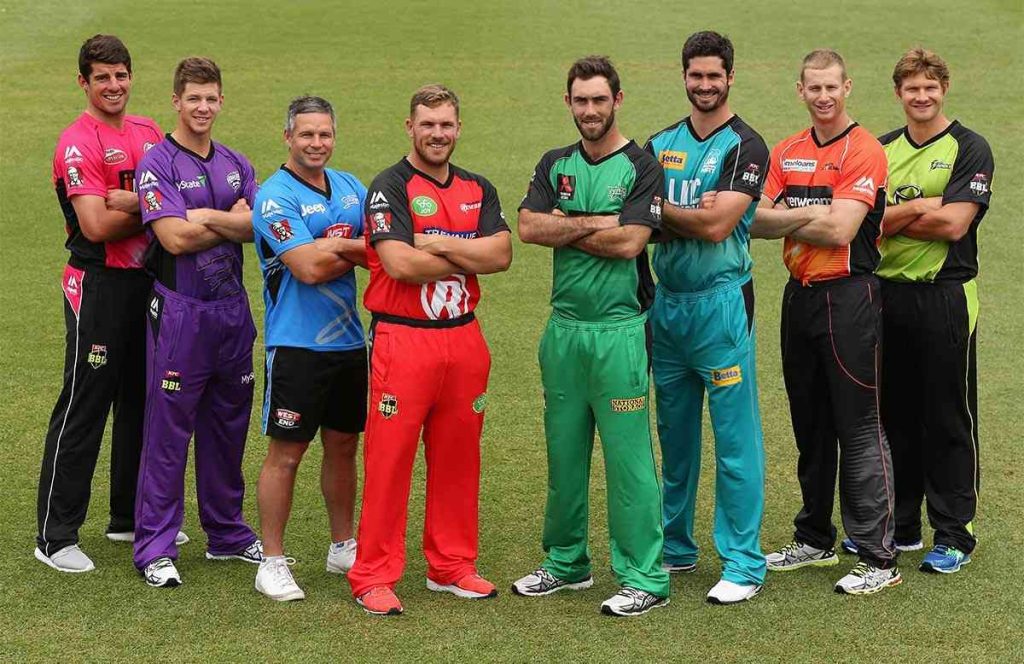
Eight city teams compete in a format that mixes round-robin play with knockouts. Melbourne, Sydney, Perth, and Brisbane provide passionate home crowds.
Viewership numbers
The BBL ranks among Australia’s most-watched sports leagues. It competes with rugby and Australian rules football for eyeballs. Free-to-air coverage on Channel Seven and streaming options keep fans engaged.
Annual revenue hovers around $60 million. While that pales next to the IPL, it represents strong financial health for a domestic competition. Players from around the world want a spot in the BBL.
5. The Hundred
Launch Year: 2021
Run By: England and Wales Cricket Board
England tried something different. The Hundred uses 100 balls per innings instead of the standard 120. Critics questioned the format. Fans showed up anyway.
Broadcast power
The BBC and Sky Sports share the broadcast rights. Free-to-air coverage on the BBC reaches millions who might never pay for a sports subscription. This exposure helped the league quickly find new fans.
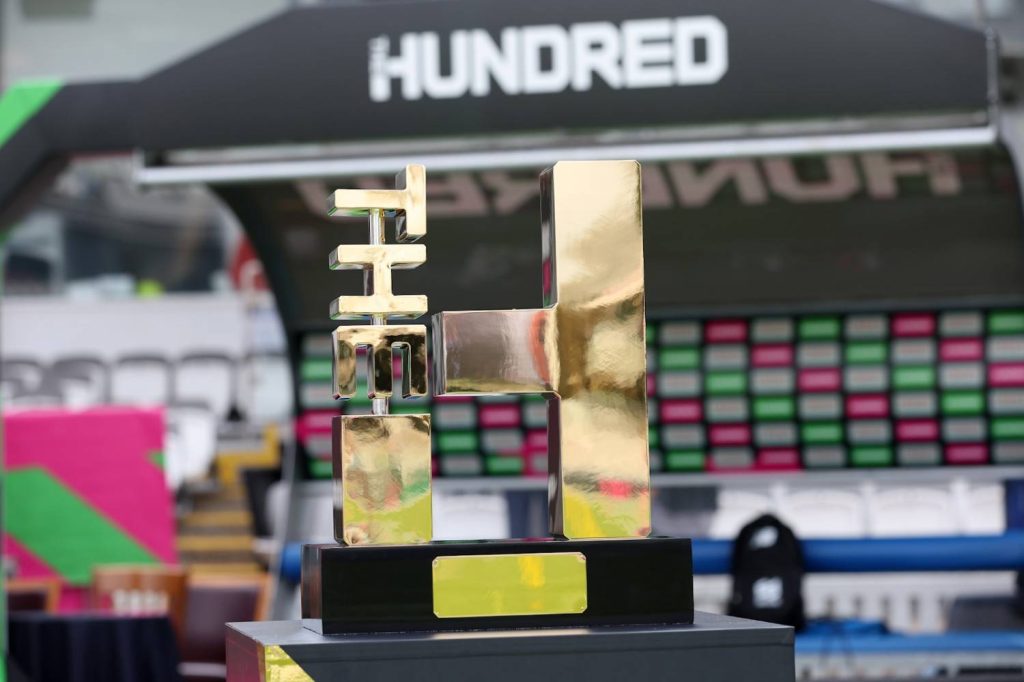
Equal billing for men’s and women’s teams sets The Hundred apart. Both competitions receive prime time slots and similar marketing budgets. This approach has significantly grown the women’s game.
Revenue comes from these broadcast partnerships, plus stadium ticket sales and corporate sponsors. The ECB views The Hundred as the future of cricket in England.
6. Major League Cricket (MLC)
Launch Year: 2023
Run By: American Cricket Enterprises
Cricket is trying to crack the American market. MLC represents the most serious attempt yet. IPL team owners have invested millions because they see the potential.
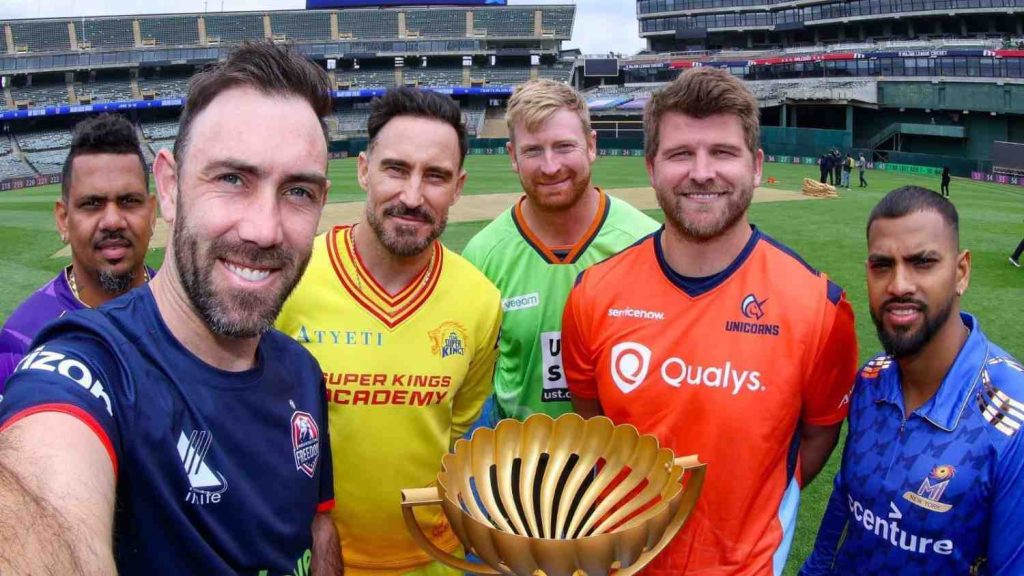
The USA has millions of cricket fans from South Asian communities. MLC gives them a professional league to support. Stadium crowds have grown each season as awareness spreads.
Long-term vision
The American sports market is the largest in the world. Even capturing a small slice would mean huge revenue. MLC investors are betting on this future.
Broadcast deals are expanding. More networks want to carry matches. Corporate sponsors see the opportunity to reach a diverse and affluent audience.
7. Pakistan Super League (PSL)
Launch Year: 2016
Run By: Pakistan Cricket Board
The PSL faced challenges from the start. Security concerns forced early seasons to the UAE. But the league pushed forward and eventually came home.

Pakistan now hosts all PSL matches. Lahore, Karachi, and Multan provide electric atmospheres. Fans pack stadiums to watch local heroes and international stars.
Broadcast success
The current media rights deal brings in around $36 million per year. Major brands sponsor teams and the league itself. This money supports cricket development across Pakistan.
The PSL also helped bring international cricket back to the country. Teams now tour Pakistan regularly, partly because the PSL showed that hosting big events was possible.
8. Bangladesh Premier League (BPL)
Launch Year: 2012
Run By: Bangladesh Cricket Board
The BPL has had its ups and downs. Early seasons struggled with organization and funding. Recent editions have shown improvement on both fronts.
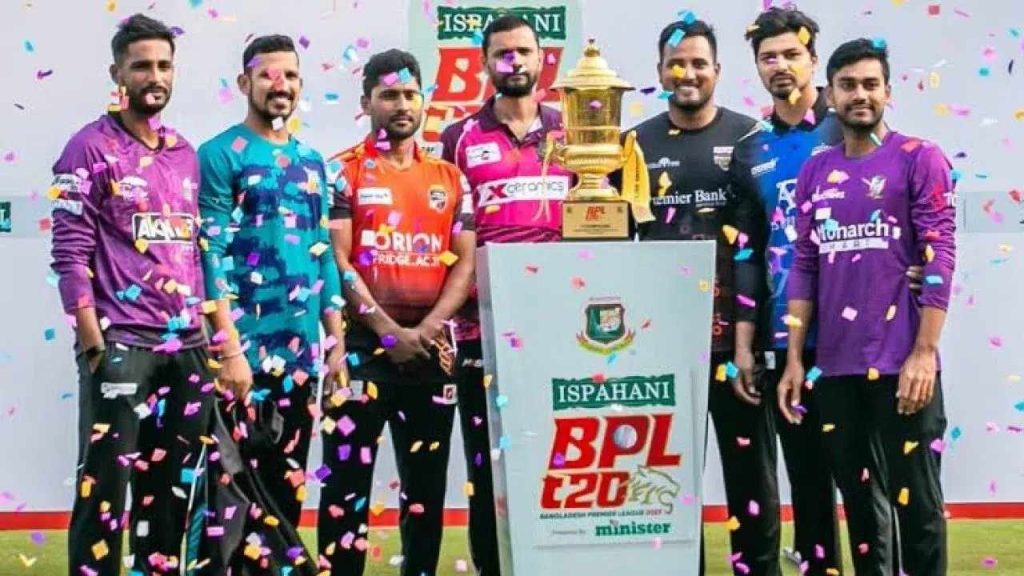
Revenue now ranges from $10 to $15 million per season. International players join local talent to create competitive matches. The league serves as a showcase for Bangladeshi cricket.
Development impact
Young Bangladeshi players get chances they would not find elsewhere. Playing alongside experienced internationals speeds up their growth. Several BPL performers have gone on to represent their national team.
The league also brings cricket entertainment to fans who cannot afford overseas trips. For many, the BPL represents their only chance to see top players in person.
9. Caribbean Premier League (CPL)
Launch Year: 2013
Run By: Cricket West Indies
Cricket in the Caribbean means one thing: entertainment. The CPL delivers that in spades. Steel bands, dancing fans, and close matches define every season.
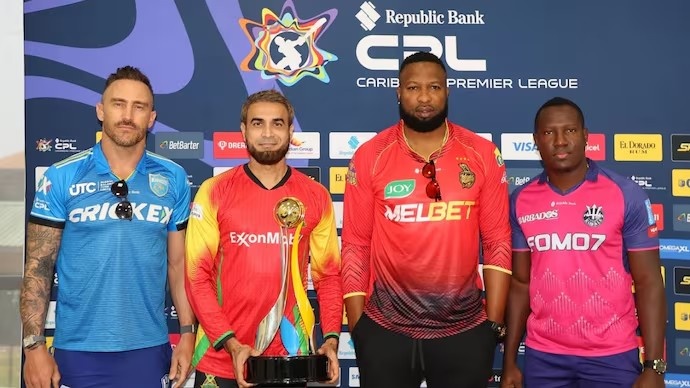
Teams from six Caribbean nations compete. Jamaica, Trinidad, Barbados, Guyana, Antigua, and St Kitts all have franchises. Regional pride drives intense rivalries.
Tourism boost
The CPL brings visitors from around the world. Cricket fans travel to the Caribbean specifically to watch matches. Hotels, restaurants, and tour operators benefit from this influx.
Top players can earn up to $160,000 per season. That figure attracts talent from every cricket nation. The mix of Caribbean flair and international skill creates memorable cricket.
10. Lanka Premier League (LPL)
Launch Year: 2020
Run By: Sri Lanka Cricket
Sri Lanka joined the franchise cricket party late. The LPL aims to catch up quickly. Despite its young age, the league has shown steady progress.
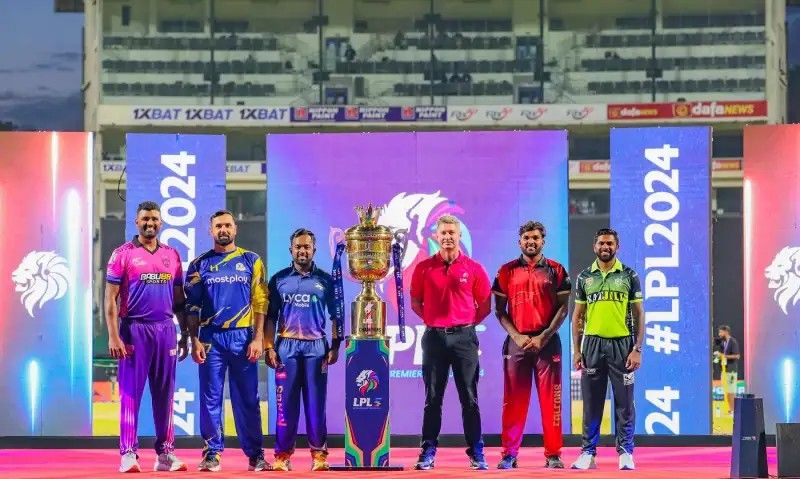
Local fans support their teams passionately. International players add star power. The combination creates matches that entertain and generate revenue.
Revenue streams
Franchise fees, sponsorships, and broadcast deals fund the LPL. Regional TV contracts and streaming partnerships spread the coverage across South Asia.
Sri Lanka Cricket uses LPL revenue to support the national team and grassroots programs. The league serves both commercial and developmental purposes.
What Drives These Leagues Forward
Several factors determine how much a cricket league earns.
Broadcast rights account for the largest share of revenue. Networks pay billions for the IPL because hundreds of millions tune in. Smaller leagues earn less but still rely heavily on TV money.
Sponsorships bring brands into the picture. Stadium naming rights, jersey logos, and official partnerships generate steady income. The stronger the viewership, the more sponsors will pay.
Franchise ownership provides capital for long-term growth. Wealthy investors buy teams, build facilities, and sign players. Their money keeps leagues competitive.
Ticket sales matter more for some leagues than others. The IPL and BBL regularly fill stadiums. Newer leagues are still building their fan bases.
Related Reads:
Looking Ahead
T20 cricket leagues will keep growing. New markets in North America, Europe, and Asia want their own tournaments. Technology will change how fans watch and engage with matches.
The IPL will likely stay on top for years to come. Its head start is too big for others to overcome quickly. But leagues like SA20 and MLC could close the gap over time.
Players will earn more as total revenue grows. Fans will have more options to follow. Cricket administrators will have more money to invest in the sport’s future.
The richest cricket leagues are no longer just about runs and wickets. They are global entertainment brands worth billions. That transformation shows no signs of slowing down.
